Does your peach tree yield small, flavorless fruit? Try thinning your peaches for a better quality yield. When we don't thin our peaches, each peach has to compete against its friends for nutrients and water. Thinning out the weaker or damaged peaches after the "shuck split" stage will allow more of the nutrients to go to fewer fruit, thereby improving the quality of individual fruits.
Thin Your Peaches Like a Pro!
20210209_130333
Snapchat-1242892345
IMG_6848
IMG_6849
IMG_0359
IMG_0375
IMG_0348
IMG_0368
IMG_0369
IMG_0350
IMG_0360
IMG_0361
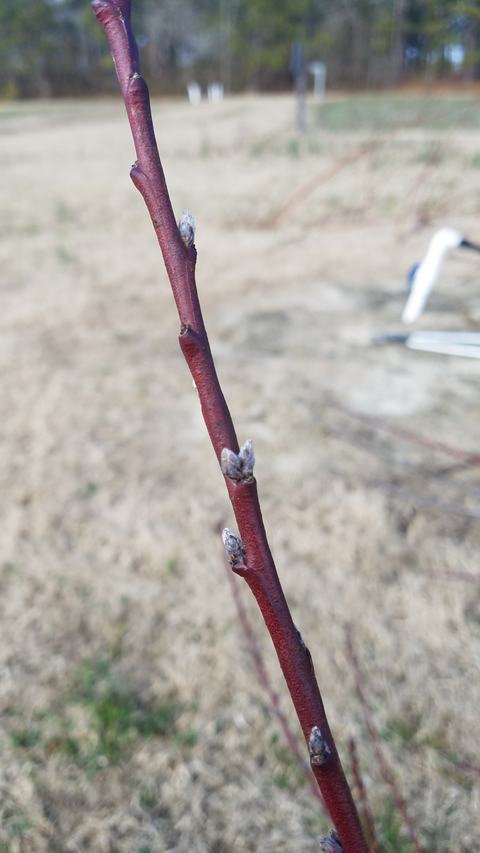
Thinning starts with pruning in the winter months before there are blooms on the tree. You'll probably see little buds on the new growth of the tree. The new growth is indicated by the reddish color of the wood. Each place you see more than one bud, there will be a bloom and ultimately a peach.
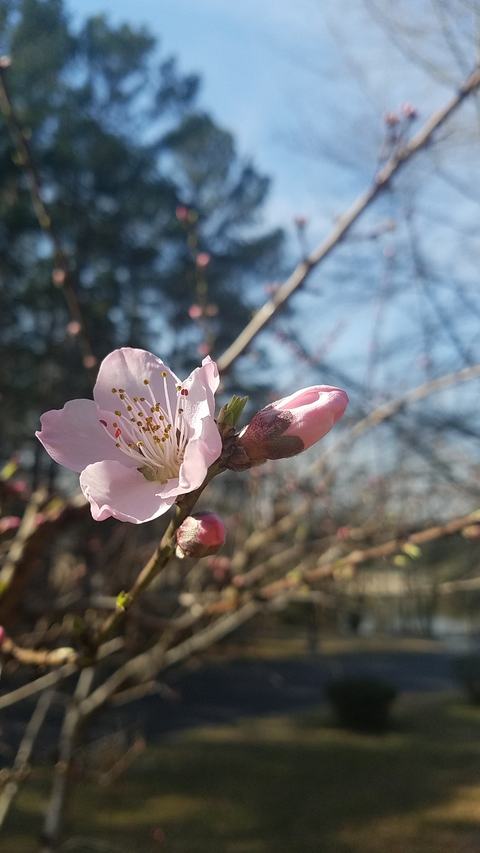
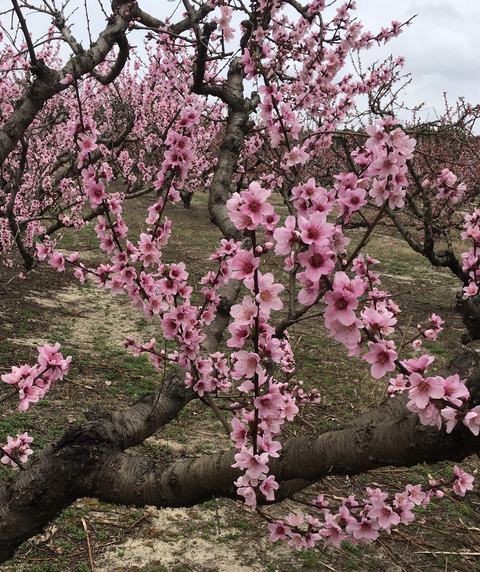
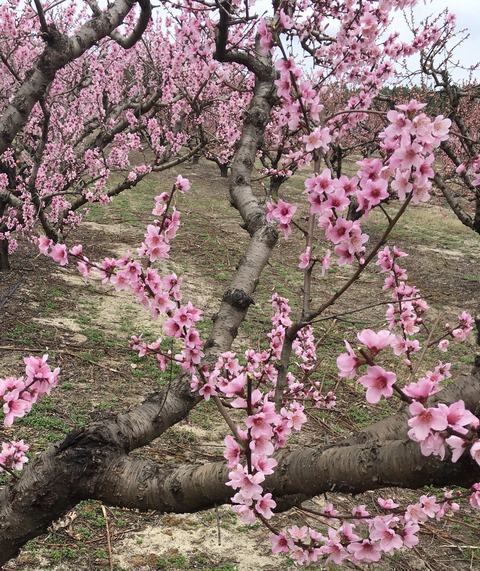
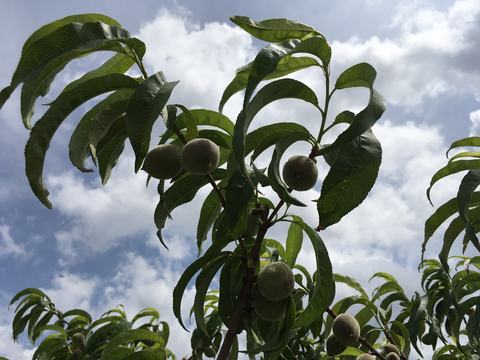
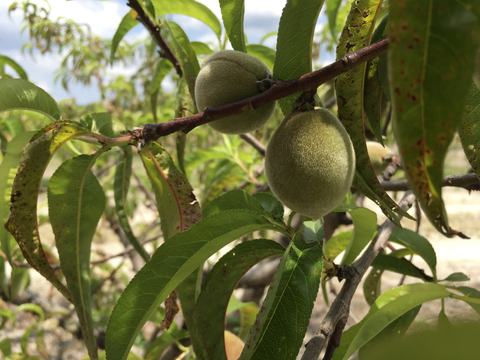
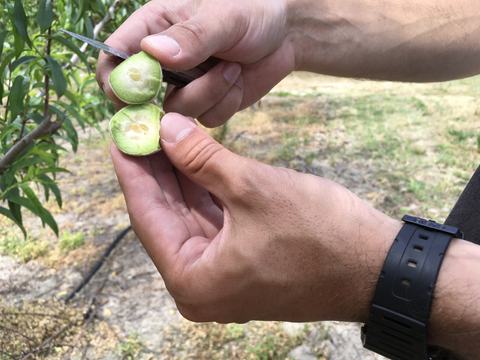
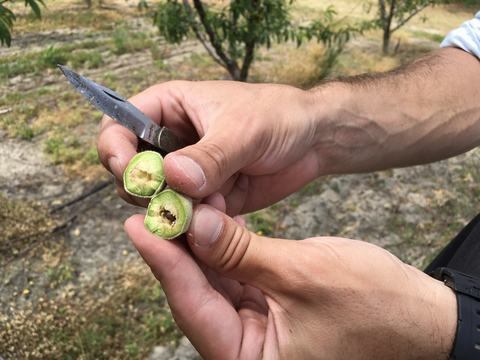
Once your peach tree is in full bloom, you can continue to thin. At this point, there is still a chance of a late freeze, so you'll want to proceed carefully and not remove too many blooms. A late freeze will naturally thin out some of your blooms/fruit. You can tell a freeze damaged fruit from a non freeze damaged fruit by slicing it through the center and checking the color of the pit. However, after the threat of freezing has passed, and you start to see little baby peaches, you'll want to get thinning.
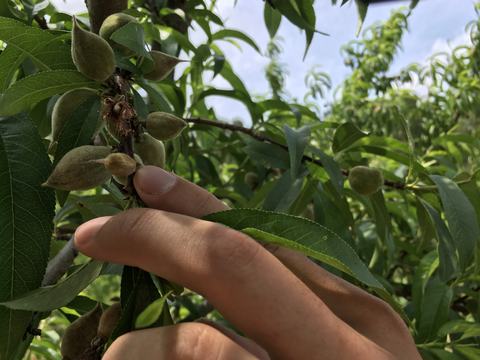
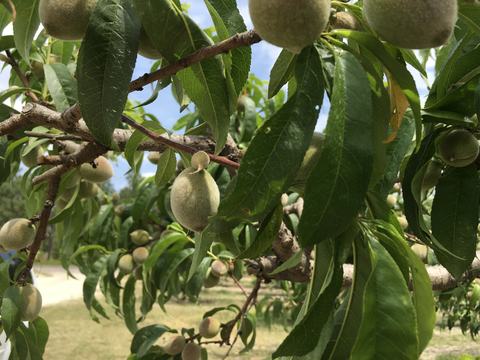
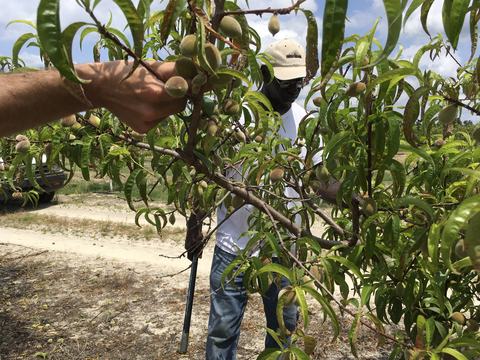
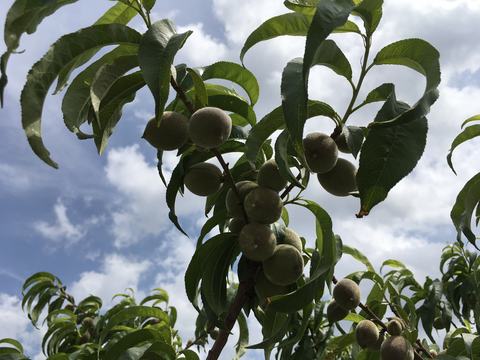
Thinning for peaches is simply done by plucking the baby fruit from the tree. Select peaches that look very small compared to others to thin out first. Then you'll want to thin the peaches to about three fruit per 12 inches of branch. Consider how big the peach will become and make sure it has enough room to grow to that size without being squished between its friends.
Lastly, when you're thinning, you can toss the plucked fruit into a bucket to discard or use for compost, or you can simply toss them on the ground around the base of the tree and allow them to whither away and decompose naturally.
Join our mailing list!
Enter your email address to receive updates.
Written By